
Gravy can be tough to make. Getting the right taste and thickness takes practice. Sometimes it comes out too thick, and other times it stays thin.
The seasoning may be too strong or too weak. Making gravy on busy days can feel hard, especially when cooking many dishes at once.
I made this homemade Kentucky Kernel Seasoned Flour Gravy Recipe to help myself and others. I took time to get the seasoning right and the texture smooth.
Now I can use this recipe each time I need good gravy without guessing. It works every time.
This Kentucky Kernel Seasoned Flour Gravy is simple to follow. It comes out smooth with no lumps. The flavor is rich and warm. It goes well with all kinds of home-cooked meals. The pan drippings add even more flavor, and the herbs and spices blend perfectly.
This gravy will help you feel less worried when cooking hearty meals.
Now you can make great gravy at home with ease.

Types of Gravy You Can Make with Kentucky Kernel Flour
1. Traditional white country gravy: It is also called sawmill gravy. It uses pork sausage fat and milk. The gravy stays pale and creamy. It goes over biscuits, fried chicken, and potatoes. The white color comes from using milk instead of broth. The sausage bits give it texture and a mild, warm taste.
2. Brown gravy: This variation uses meat drippings from beef, pork, or turkey. You can add beef or chicken broth instead of milk. The drippings give the gravy a darker color. It pairs well with roasted meats, meatloaf, and mashed potatoes. The flavor is deeper and richer than white gravy.
3. Sausage gravy: The most common style. You cook sausage, leave the fat in the pan, then add seasoned flour and milk. The sausage pieces stay in the gravy. It is thick, hearty, and full of flavor. Works great for breakfast with biscuits or toast.
4. Chicken-fried steak gravy: Similar to sausage gravy but often uses beef drippings or butter. After frying the steak, you use the browned bits left in the pan. These bits add a lot of flavor. You mix in the seasoned flour, then pour in milk slowly. The gravy is smooth and creamy and covers the fried steak, soaking into the crispy coating.
Kentucky Kernel Seasoned Flour Gravy Ingredients
- Sausage (1 pack): Sausage gives the gravy a base with meat, salt, and warm flavor. It brings fat to the skillet, which blends with the seasoned flour. Pork sausage works best, but chicken or turkey sausage can also be used. A mild or hot version both fit the dish well.
- Kentucky Kernel Seasoned Flour (¼ cup): This seasoned flour already has herbs, salt, and spices inside. When mixed with the sausage drippings, it forms a smooth thickener for the gravy. The blend saves time because the seasoning is already balanced, and the flour coats the fat in a clean way.
- Whole Milk (2 cups): Milk gives the gravy a creamy base. Whole milk helps the gravy stay thick and smooth, but other milk types also work well. Start with a little and add more until the gravy reaches the texture you want.
- Seasoning (to taste): Salt, pepper, crushed red pepper, garlic powder, or other mild seasonings bring warmth and depth. They are added near the end so the gravy keeps its smooth flavor.
Essential Kitchen Equipment
- Skillet – Even heat.
- Wooden spoon – Easy stirring.
- Measuring cups – Simple portion control.
- Whisk – Smooth texture.
- Heat-safe bowl – Holds cooked sausage.
- Spatula – Helps scrape the pan.
- Small ladle – Simple serving.
How To Make Kentucky Kernel Seasoned Flour Gravy
Step 1 | Warm the Skillet
Place the skillet on the stove and set the heat to medium. Let it warm for a short moment. Warm metal cooks sausage in a steady, even way and helps the browning start right.

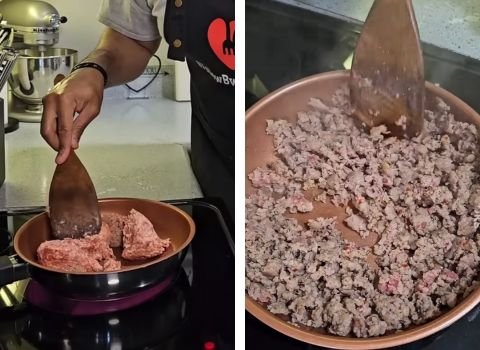
Step 2 | Cook the Sausage
Add the sausage to the skillet. Break it apart with the spoon as it cooks. Keep stirring so it browns evenly. The sausage will release fat, and the small bits will turn golden. This flavor will help the gravy taste rich and full. When the sausage is cooked, lower the heat to low.
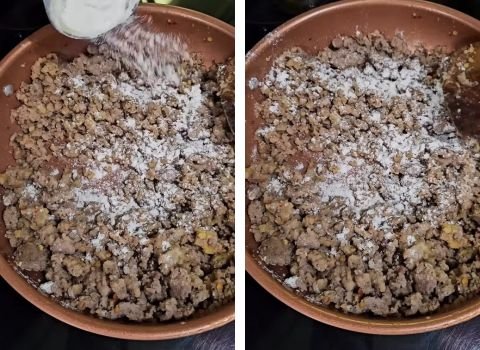
Step 3 | Add the Seasoned Flour
Sprinkle the Kentucky Kernel seasoned flour over the cooked sausage. Start with a small amount, then stir it in so it coats the meat and mixes with the fat. This step forms the base that will thicken the gravy. Give the mixture a slow, steady stir until the flour blends well and the pan looks pasty.
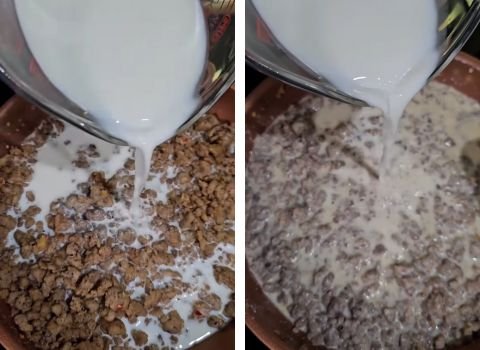
Step 4 | Pour the Milk Slowly
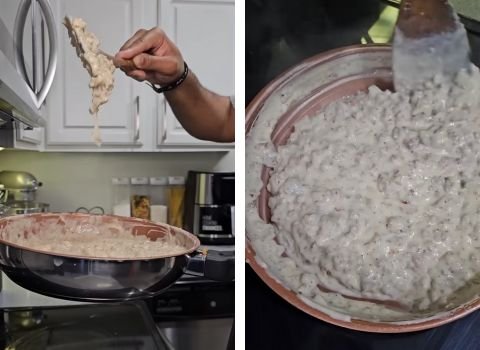
Begin adding the milk a little at a time. Pour a small splash, stir, then pour more. This keeps the gravy smooth and stops it from forming lumps. Keep the heat low so the mixture thickens gently. As you stir, the gravy will grow creamy and full.
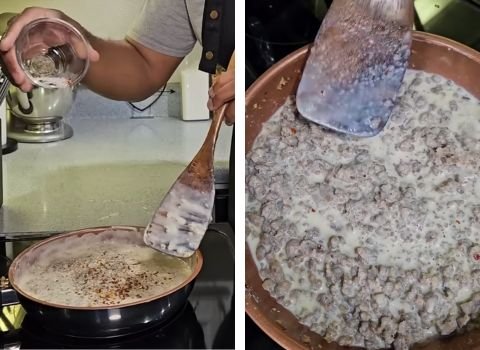
Step 5 | Add Seasoning at the End
Season the gravy near the end of cooking. Add salt, pepper, crushed red pepper, garlic powder, or other seasoning you enjoy. Stir again and let it cook for a few more minutes so the flavors blend well. The heat should stay low to keep the gravy smooth.
Step 6 | Serve Warm
When the gravy reaches the texture you like, turn off the heat and serve it fresh. The warm skillet will keep the gravy hot for a short time, and the smooth flavor fits well with many simple breakfast foods.
Chef Notes + Tips
- Controlling Gravy Thickness: Gravy thickens as it cools. Thin it on the stove by adding milk one spoon at a time, stirring after each addition. Cold gravy can be gently warmed and thinned with more milk.
- Using Pan Drippings: Pour drippings into a skillet, stir in seasoned flour to make a paste, then add milk. This gives a deeper, meatier flavor.
- Avoiding Lumps: Add milk slowly while stirring constantly or whisking. Keep heat low to prevent flour from clumping.
- Adjusting Flavor: Taste before serving and add salt, pepper, garlic powder, cayenne, butter, or fresh herbs as desired.
How to Serve a Homemade Gravy Recipe
This gravy goes well with many foods. I pour it over warm biscuits for breakfast. The gravy soaks into the biscuit and makes it soft and rich.
You can also serve it with scrambled eggs, hash browns, or grits. The creamy texture fits with all these dishes.
For lunch or dinner, use this gravy with fried or grilled chicken, chicken-fried steak, or pork chops. The seasoned flour flavor matches well with fried foods.
You can also serve it over mashed potatoes or rice. The gravy adds moisture and flavor to the meal.
If you have leftovers, warm them up and pour the gravy over toast or roasted vegetables. It is a simple way to make leftovers taste better.
Storage & Advance Preparation
This gravy keeps well for short-term storage. It can be placed in an airtight container and stored in the refrigerator for up to 3 days.
Reheat slowly over low heat on the stove, stirring occasionally to keep it smooth.
The dish can also be frozen for about one month. Freeze it in small portions for easier use. When thawing, warm it slowly and loosen the texture with milk or broth. The flavor stays smooth as long as it is reheated gently.
Kentucky Kernel Seasoned Flour Gravy Recipe FAQs
1. Why does my gravy turn lumpy sometimes?
Lumps form when milk is added too fast or when the heat is too high. The flour absorbs liquid slowly, so adding milk in small amounts gives the mixture time to soften. A whisk also helps smooth out the roux. Keeping the heat low prevents the mixture from cooking too fast on the bottom of the skillet. A calm, steady stir creates a silky texture every time.
2. How can I thicken gravy that turns too thin?
A small spoon of seasoned flour mixed with a splash of cold milk creates a quick slurry. Add the slurry into the warm gravy and stir gently. The mixture will thicken within a few minutes. Adding flour directly to hot gravy causes lumps, so mixing it with cold liquid first gives smoother results. Continue stirring until the texture feels steady.
3. What if lumps form while cooking?
Pour milk slowly and stir constantly. If lumps appear, whisk vigorously or strain the gravy through a sieve to smooth it out.
4. How long can I leave gravy out on the counter?
You should not leave gravy out for more than two hours. Because it contains milk and meat, it is best to keep it hot on the stove until you are ready to serve. After that, put any leftovers right into the refrigerator to keep it safe to eat later.
5. What can I add to make the gravy richer?
A splash of cream, a small spoon of butter, or a little extra sausage fat can add more richness. Some people add a small amount of chicken broth or beef broth for deeper flavor. These add-ins blend well with the seasoned flour and help build a fuller taste.

Kentucky Kernel Seasoned Flour Gravy Recipe
Make this Kentucky Kernel Seasoned Flour Gravy Recipe in just 20 minutes. Enjoy smooth, rich, lump-free gravy that pairs perfectly with biscuits and fried chicken.
Ingredients
- 1 pound sausage (pork, turkey, or chicken)
- ¼ cup Kentucky Kernel Seasoned Flour
- 2 cups whole milk
- Salt (to taste)
- Black pepper (to taste)
- Crushed red pepper (optional, to taste)
- Garlic powder (optional, ¼ teaspoon or to taste)
Instructions
- Place the skillet on the stove and set the heat to medium. Let it warm for a short moment. Warm metal cooks sausage in a steady, even way and helps the browning start right.
- Add the sausage to the skillet. Break it apart with the spoon as it cooks. Keep stirring so it browns evenly. The sausage will release fat, and the small bits will turn golden. This flavor will help the gravy taste rich and full. When the sausage is cooked, lower the heat to low.
- Sprinkle the Kentucky Kernel seasoned flour over the cooked sausage. Start with a small amount, then stir it in so it coats the meat and mixes with the fat. This step forms the base that will thicken the gravy. Give the mixture a slow, steady stir until the flour blends well and the pan looks pasty.
- Begin adding the milk a little at a time. Pour a small splash, stir, then pour more. This keeps the gravy smooth and stops it from forming lumps. Keep the heat low so the mixture thickens gently. As you stir, the gravy will grow creamy and full.
- Season the gravy near the end of cooking. Add salt, pepper, crushed red pepper, garlic powder, or other seasoning you enjoy. Stir again and let it cook for a few more minutes so the flavors blend well. The heat should stay low to keep the gravy smooth.
- When the gravy reaches the texture you like, turn off the heat and serve it fresh. The warm skillet will keep the gravy hot for a short time, and the smooth flavor fits well with many simple breakfast foods.
Nutrition Information:
Serving Size: 1Amount Per Serving: Calories: 265Total Fat: 20gCholesterol: 55mgSodium: 520mgCarbohydrates: 11gSugar: 5gProtein: 10g
This Kentucky Kernel Seasoned Flour Gravy Recipe delivers creamy, rich flavor every time. The seasoned flour and simple technique ensure smooth, flavorful results. Experiment with different seasonings or meat bases to suit your taste.
Try this recipe at home and share your experience in comment box.