
Vito Iacopelli’s pizza dough recipe is a favorite among pizza lovers all over the world. This recipe has been passed down from generation to generation and has served as the base for countless delicious pizzas. Vito Iacopelli was an Italian pizza chef from the town of Palermo who developed his signature pizza dough recipe in the early 1960s.
The recipe is simple and easy to follow, making it ideal for home cooks who want to make their own pizzas at home. The dough is made from all-purpose flour, salt, sugar, yeast, and warm water.
It is mixed together, kneaded, and left to rise before being stretched and topped with the desired ingredients. Once the pizza is baked, the crust will be thin and crispy, with a slight chewiness.
Vito Iacopelli’s pizza dough recipe is renowned for its flavor and texture, which is why it is so popular among pizza lovers.
The dough is incredibly versatile and can be used to make a variety of different pizzas, from classic Italian-style pies to thin-crust Neapolitan pizzas. The recipe can also be used to make calzones, focaccia, and even breadsticks.
Vito Iacopelli’s recipe is a classic for a reason and is sure to become a favorite in your home. With just a few simple ingredients, you can easily create a delicious pizza that is sure to please the whole family.

Key Differences Between Vito’s Recipe and Other Pizza Doughs
The Vito Iacopelli pizza dough recipe differs from American-style pizza dough in several ways. American dough often uses more sugar and oil, creating a softer, thicker crust. Vito’s recipe follows traditional Neapolitan characteristics with minimal ingredients and a focus on proper fermentation.
The hydration level in this dough sits around 60-65%, which creates a smooth texture that stretches easily and bakes into a crispy yet chewy crust.
Higher hydration means softer dough, while lower hydration gives more structure. This recipe uses long fermentation time, resting for 16-24 hours in the fridge.
Short fermentation methods take only 2-3 hours but lack the deep flavor that develops over time. The flour type matters too.
Italian 00 flour creates a finer, smoother dough, while all-purpose flour works well but gives a slightly different texture. Vito’s method balances all these process to create authentic pizza dough.
Ingredients You Will Need
- Flour (100 grams plus 60 grams for kneading): Flour is the main base of the dough. Bread flour or 00 flour can replace all-purpose flour for a chewier texture. All-purpose flour works perfectly fine and creates great results.
- Water (100 ml plus 10 grams cold water): Water brings all the dry items together. It should be at room temperature for mixing, and the cold water gets added later with the salt. Filtered water works best, but tap water is fine too.
- Yeast (2 grams): Yeast helps the dough rise and creates air bubbles. Active dry yeast or instant yeast both work. You can use fresh yeast as a substitute, but use three times the amount.
- Honey (2 grams): Honey feeds the yeast and adds a touch of sweetness. Sugar can replace honey in the same amount. Both help the yeast activate faster.
- Salt (5 grams): Salt adds flavor and helps control yeast activity. Sea salt or kosher salt work well, and fine table salt works perfectly too.
- Olive Oil (2 tablespoons): Olive oil is used for greasing and handling the dough. Vegetable oil or any neutral cooking oil can substitute. This keeps the dough from sticking.sticking.
Essential Equipment and Tools You’ll Need
- Mixing bowl – For combining ingredients initially
- Bowl with lid – Keeps dough covered during fermentation
- Small bowls – Holds salt water mixture
- Spatula – Helps mix and scrape
- Measuring tools – Scale or cups and spoons
- Plastic wrap or towel – Alternative covering option
- Clean work surface – For final dough handling
How to Make Vito Iacopelli Pizza Dough at Home
Step 1 | Mix The Ingredients
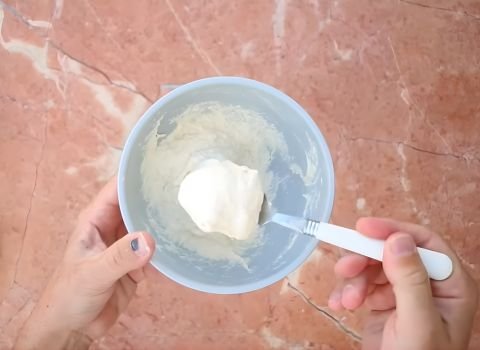
Take a mixing bowl, fill it with 100 ml of water, add 2 grams of yeast, and give it a stir. Pour in 2 grams of honey and stir again to mix well. Add 100 grams of flour a little at a time while stirring. The pizza dough will look wetter than regular dough, and that’s normal.
Step 2 | Let It Rest
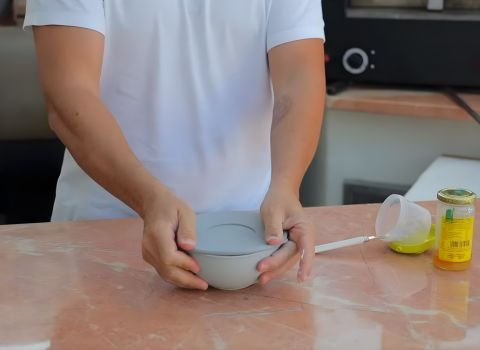
After mixing, cover the bowl and let the dough rest at room temperature for 1 hour. Then place it in the fridge for 16–24 hours.
Step 3 | Check the Thickness
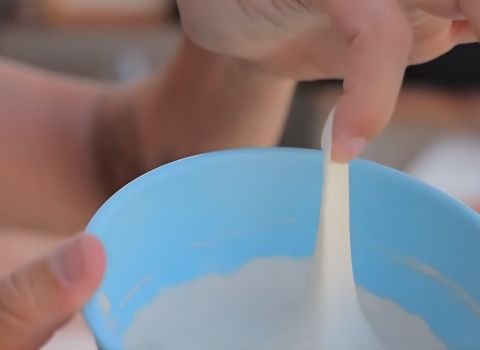
The next morning, take the dough out of the fridge. It will be sticky, smooth, and thicker than before.
Step 4 | Add Salt
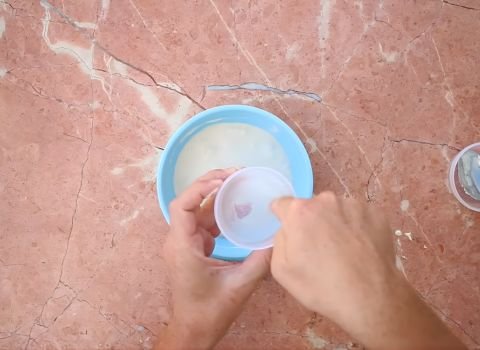
Take 10 grams of cold water in a small bowl, add 5 grams of salt, and stir until it dissolves. Pour this into the dough and mix well using a spoon.
Step 5 | Knead the Dough
Add 60 grams of flour and mix with a spoon. Then switch to your hands and gently knead until the flour is absorbed. The dough will still feel slippery. Place it back in the bowl, cover it, and let it rest for 15 minutes.
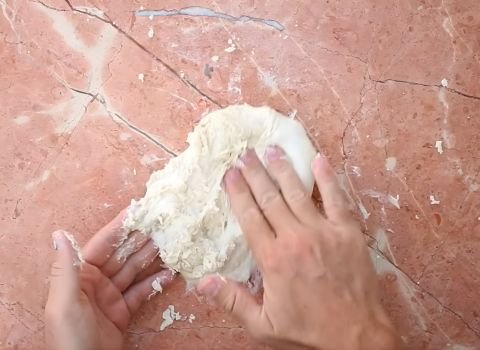
Step 6 | Shape It
Rub a little olive oil or cooking oil on your hands. Gently lift the dough and shape it into a smooth ball by tucking the edges underneath.
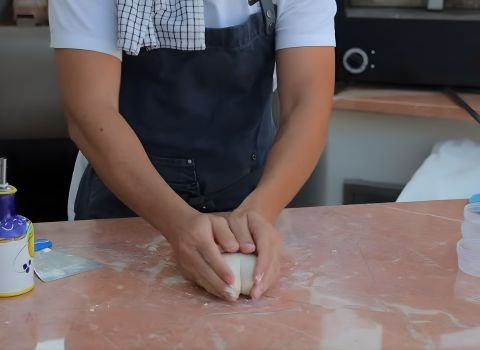
Step 7 | Let It Chill
Oil the same bowl lightly and place the dough ball inside. Cover it and let it rest at room temperature for 2 hours so it can rise.
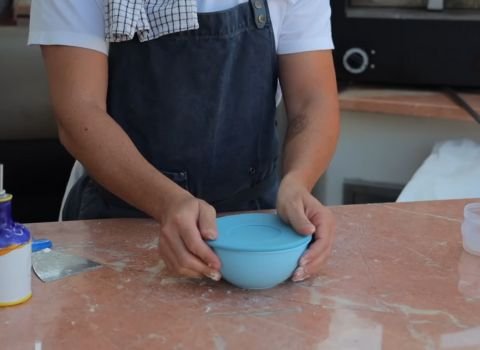
Step 8 | Ready to Use
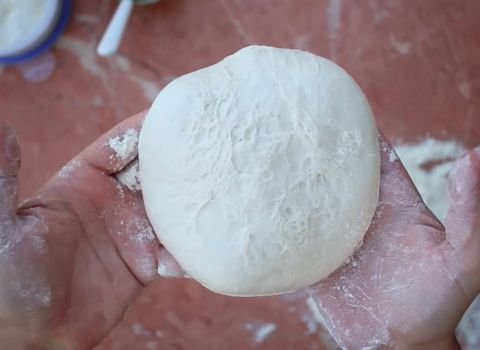
Once the dough has doubled in size, it’s ready to use. Your Vito Iacopelli pizza dough is ready to be shaped and topped for a delicious homemade pizza.
Common Dough Mistakes and How to Avoid Them
- Using Hot Water: Water that is too hot kills the yeast. Always use room temperature water for mixing. The water should feel neutral to the touch, not warm or cold.
- Adding Too Much Flour Too Early: The dough should feel wet and sticky after the first mix. Do not add extra flour at this stage. The 60 grams of flour gets added later after the cold rest.
- Wrong Bowl Size: Use a bowl that gives the dough room to expand. The dough doubles in size, so a small bowl will cause it to spill over or not rise properly.
- Opening the Bowl Too Often: While the dough rests, leave it covered. Opening it repeatedly lets out moisture and can slow down the rise. Trust the timing and leave it alone.
How to Use This Homemade Pizza Dough
This dough is perfect for more than just a standard pizza pie. Here are a few ways I like to use it.
1. A Classic Round Pizza: Gently stretch the dough into a circle on a floured surface. This gives you that authentic, thin-crust pizza with a puffy edge.
2. A Square Sheet Pan Pizza: Press the dough directly into an oiled baking sheet. This style gives you a thicker, focaccia-like crust that is crisp on the bottom.
3. Personal Pizzas: Divide the dough into two or three smaller balls. Let them rest for 20 minutes, then stretch each into a small circle for individual meals.
4. Calzones: Roll the dough into a circle. Place fillings on one half, fold the other half over, and seal the edges tightly before baking.
5. Focaccia Bread: Press the dough into an oiled pan, dimple the surface with your fingers, drizzle with olive oil and rosemary, and bake until golden.
Storage and Make-Ahead Instructions
You can prepare this dough ahead of time, which makes it perfect for busy schedules. After the dough finishes its 2-hour room temperature rise, you can use it right away or store it.
For short-term storage, keep the dough ball in an oiled, covered container in the fridge. It will stay good for up to 3 days. The flavor actually gets better after a day or two.
For longer storage, freeze the dough ball. Wrap it tightly in plastic wrap, then place it in a freezer bag. Frozen dough keeps well for up to 3 months. When you’re ready to use frozen dough, move it to the fridge the night before.
Let it thaw slowly overnight. Then let it sit at room temperature for about an hour before stretching and baking.
Vito Iacopelli Pizza Dough FAQs
1. My dough is very sticky and hard to handle. What did I do wrong?
A sticky, wet dough is correct for this recipe. It is what creates the light and airy crust. The best way to handle it is to lightly oil your hands and work surface instead of adding more flour. Adding extra flour will change the texture and make the crust denser.
2. I don’t have a pizza oven. Can I still make this?
You can absolutely make this without a special oven. Use a very hot preheated baking sheet or a pizza stone. Bake the pizza at your oven’s highest temperature, usually between 475°F and 500°F. It will cook quickly, so watch it closely for a crispy crust.
3. What should I do when my dough doesn’t rise?
If your dough won’t rise, check that your yeast is fresh and not expired. Make sure the room is warm enough, and avoid using water that’s too hot. Give the dough more time if needed, and keep salt away from the yeast at the start so it doesn’t slow the rise.
4. How do I know when my dough has risen enough?
After the final 2-hour rise, the dough should look puffy and have roughly doubled in size. A good test is to gently poke it with a floured finger. If the indentation slowly fills back in, it is ready. If it quickly springs back, it needs more time.
5. Why add honey instead of sugar?
Honey feeds yeast slowly and adds tiny flavor. Sugar works the same if that’s what you have.
6. Do I really need 24 hours in the fridge?
For the true Vito taste, yes. Even 12 hours helps a lot. Short time gives plain dough with no deep flavor.

Vito Iacopelli Pizza Dough Recipe
Make the perfect crust with this Vito Iacopelli Pizza Dough Recipe. Easy prep, long fermentation, and amazing texture every time.
Ingredients
- Flour: 100 grams + 60 grams for kneading
- Water: 100 ml + 10 grams cold water
- Yeast: 2 grams (active dry or instant)
- Honey: 2 grams
- Salt: 5 grams
- Olive Oil: 2 tablespoons (for greasing and handling)
Instructions
- Take a mixing bowl, fill it with 100 ml of water, add 2 grams of yeast, and give it a stir. Pour in 2 grams of honey and stir again to mix well. Add 100 grams of flour a little at a time while stirring. The pizza dough will look wetter than regular dough, and that’s normal.
- After mixing, cover the bowl and let the dough rest at room temperature for 1 hour. Then place it in the fridge for 16–24 hours.
- The next morning, take the dough out of the fridge. It will be sticky, smooth, and thicker than before.
- Take 10 grams of cold water in a small bowl, add 5 grams of salt, and stir until it dissolves. Pour this into the dough and mix well using a spoon.
- Add 60 grams of flour and mix with a spoon. Then switch to your hands and gently knead until the flour is absorbed. The dough will still feel slippery. Place it back in the bowl, cover it, and let it rest for 15 minutes.
- Rub a little olive oil or cooking oil on your hands. Gently lift the dough and shape it into a smooth ball by tucking the edges underneath.
- Oil the same bowl lightly and place the dough ball inside. Cover it and let it rest at room temperature for 2 hours so it can rise.
- Once the dough has doubled in size, it’s ready to use. Your Vito Iacopelli pizza dough is ready to be shaped and topped for a delicious homemade pizza.
Nutrition Information:
Serving Size: 1Amount Per Serving: Calories: 445Sodium: 1950mgCarbohydrates: 85gFiber: 3gSugar: 3gProtein: 12g
Vito Iacopelli’s pizza dough is popular because of it is crusty and chewy texture. If you want the same texture, you just need to follow the vito iacopelli pizza dough recipe we shared above.
We hope by following our recipe you will be able to make a minimum of 80 % same pizza dough at your home. However, as we told you it will need lots of time to rest, so keep that in mind.