
Lucali is one of the most popular pizza restaurants in all of New York City. People line up around the block just to get a slice.
I’ve seen the videos, read the reviews, and heard the stories – and every single one comes back to the dough.
Mark Iacono, the man behind Lucali in Brooklyn, built his pizza empire on a simple truth – great pizza starts with great dough.
The secret is not just the sauce or the toppings. It’s the long fermentation, the hand-stretching, and the patience that goes into every single pie. That perfect mix of crispy on the outside and chewy on the inside is what keeps people searching for Lucali-style pizza online every single day.
I made it my mission to recreate that same experience at home. This is my copycat Lucali Pizza Dough Recipe – inspired by the same pizza-making philosophy – so you can make that true New York-style pizza right in your own home.

What Makes Lucali Dough Different from Regular Pizza Dough
Lucali pizza is very popular. People line up for hours just to get a taste. Here is what makes it truly different:
Thin Yet Chewy Crust: Lucali dough is stretched by hand instead of rolled with a pin. This keeps the crust thin while preserving its structure, giving each slice the chewy texture.
Light, Airy Texture: A proper rise allows small air pockets to form throughout the dough. These pockets create a crust that feels light and airy instead of thick or heavy.
Oil-Coated Dough Balls: Each dough ball is lightly coated with oil before the final rise. This helps prevent drying, keeps the surface soft, and adds subtle richness to the finished crust.
Hand-Stretched Method: The dough is stretched gently by hand using gravity. This method protects the air trapped inside the dough and helps create a more even texture.
Smart Salt Timing: Salt is added after part of the flour is mixed into the dough. This prevents direct contact with the yeast and supports a steady fermentation process.
Gentle Dough Handling: The dough is handled carefully from start to finish. Less pressure keeps more air inside, which helps create a lighter crust after baking.
Lucali Pizza Dough Hydration Guide
Dough hydration refers to the amount of water compared to flour in a dough recipe. It affects texture, stretch, and overall handling.
For a Lucali-style pizza, a hydration level around 60% to 65% works very well. This range helps create a crust that stays thin, crisp, and chewy at the same time.
Lower hydration dough feels firmer and is easier to shape, while higher hydration dough can create larger air pockets and a lighter texture.
When dough feels too sticky, lightly flour the work surface and hands instead of adding large amounts of extra flour, which can change the final texture.
Ingredients for Lucali Pizza Dough
- 32 oz (4 cups) warm water: Use water that feels warm on your wrist, around 100–110°F. Too hot and it kills the yeast. Too cold and the yeast won’t activate.
- 1 packet (2¼ tsp) active dry yeast: This is what makes the dough rise. Active dry yeast needs to be mixed with water before use. Instant yeast can also be used in the same quantity, and it allows you to skip the proofing step.
- 2 tablespoons olive oil: Olive oil adds flavor and helps the crust get a slight crispiness on the outside. If you don’t have olive oil, vegetable oil or avocado oil will also work well.
- 8 cups (about 4 lbs / 64 oz) all-purpose flour: All-purpose flour gives the dough the right balance of stretch and structure. Bread flour is a good alternative if you prefer a chewier crust because of its higher protein content.
- 1 tablespoon kosher salt: Salt adds flavor and helps support the gluten structure. Fine sea salt can be used instead, but reduce the amount slightly since it is more concentrated.
- Olive oil for coating: A light coat of oil goes on the dough balls before the second rise. This prevents drying and adds a subtle richness. Any mild, neutral oil can be used if olive oil isn’t available.
Recommended Kitchen Equipment
- Large mixing bowl – For mixing and rising dough
- Kitchen scale – For accurate dough portioning
- Bench scraper or knife – For cutting dough evenly
- Plastic wrap or kitchen towel – For covering dough while rising
- Baking tray or sheet pan – For resting dough balls
- Pizza stone or pizza steel – For crispier crust
- Oven thermometer – For checking oven temperature
Making Lucali Pizza Dough Step by Step
Step 1 | Activate the Yeast
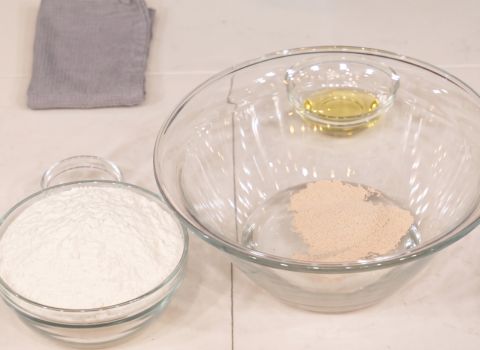
Pour warm water into a large mixing bowl. Add the yeast and stir with fingers or a whisk. Let it sit for about 5 minutes until slightly foamy, showing the yeast is active.
Step 2 | Add the Oil and First Flour
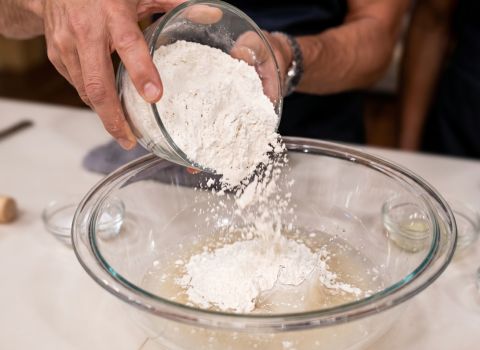
Add olive oil to the bowl and mix it into the water. It won’t fully combine, which is normal. Then add about one-third of the flour and mix for about 2 minutes until the mixture becomes thick and smooth like pancake batter.
Step 3 | Add Salt and Remaining Flour
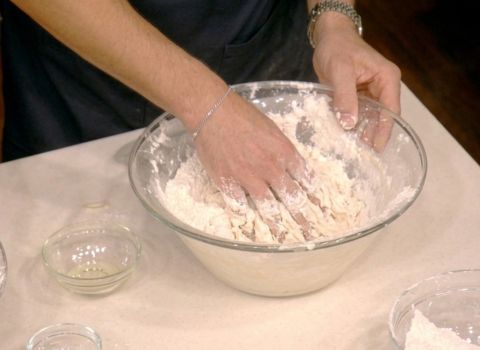
Sprinkle in the salt and mix well. Then add the remaining flour in two batches, mixing after each addition. Continue mixing for about 5 minutes until a rough dough forms and pulls away from the bowl.
Step 4 | Knead the Dough
Transfer dough to a lightly floured surface and knead for about 10 minutes. It will start rough but gradually become smooth, soft, and elastic.
Step 5 | First Rise
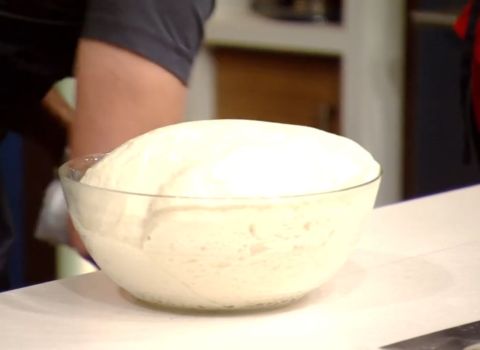
Place dough back in the bowl and cover tightly with plastic wrap. Let it rest at room temperature for about 1 hour, until it doubles in size.
Step 6 | Divide and Shape Dough Balls
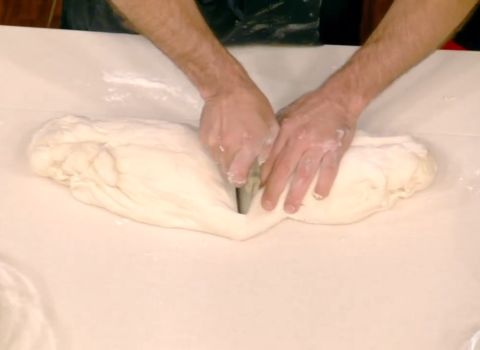
Turn dough onto a floured surface, shape into a long loaf, and divide into 8 equal pieces (about 11 ounces each). Fold edges underneath and form smooth balls.
Step 7 | Second Rise
Lightly oil a baking tray. Place dough balls on it and coat lightly with oil. Cover loosely and let them rest for about 2 hours, until larger and more relaxed.

Step 8 | Stretch the Dough
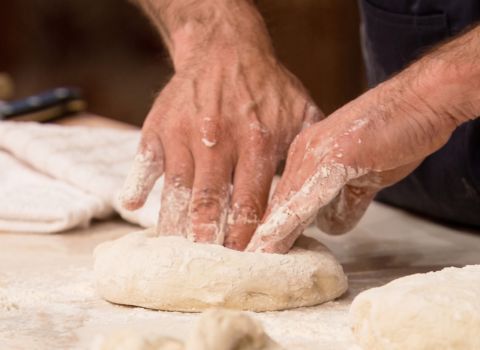
Place a dough ball on a floured surface. Press from the center outward with fingertips, keeping edges thicker. Lift and stretch using gravity, rotating until you form a thin 12-inch round.
Step 9 | Bake the Lucali Pizza
Place stretched dough on a pizza peel or baking pan. Spread a thin layer of sauce. Bake in a preheated 500°F oven for 5 minutes, then remove, add cheese, and bake for another 5 minutes. This two-stage baking keeps the crust crisp and the cheese perfectly cooked.

Tips to Get Thin Crispy Yet Chewy Crust
- Keep the Edges Thick: Leave a small border around the outer edge while stretching. This area will rise during baking and create the chewy, airy crust that Lucali-style pizza is known for.
- Preheat the Oven Well: A hot oven is essential for great pizza. Preheat the oven, pizza stone, or pizza steel for at least 45 minutes before baking to build enough heat.
- Use a Light Layer of Sauce: Too much sauce can weigh down the dough and create a soggy crust. A thin, even layer allows the crust to bake properly and stay crisp.
Make-Ahead Tips
You can make this dough a day or two ahead of time, and it will actually taste better.
After the first rise, divide your dough into balls, coat them with oil, and place them in individual zip-lock bags or airtight containers. Put them in the refrigerator. The cold slows the yeast down and lets the flavor develop slowly over 24 to 48 hours.
When you are ready to bake, take the dough out and let it rest at room temperature for about an hour before stretching. This makes prep day so much easier.
How to Store Pizza Dough
Shaped dough balls can be stored in the refrigerator for up to 3 days. Place them on a lightly oiled tray and cover tightly with plastic wrap. Cold storage slows down yeast activity and helps build deeper flavor over time while keeping the dough fresh and ready to use.
For longer storage, each dough ball can be wrapped tightly in plastic wrap and placed in a zip-top bag. This method keeps the dough good for up to 3 months and helps preserve both texture and taste.
When ready to use, frozen dough should be moved to the refrigerator and left overnight to thaw slowly. After thawing, let it sit at room temperature until soft and easy to stretch so it regains full flexibility.
Leftover baked pizza reheats best in a skillet over medium heat with a lid on for about 3–4 minutes. This keeps the bottom crisp again while the cheese melts smoothly without burning.
Ways to Use Pizza Dough
This Lucali-style dough works well in many recipes besides traditional pizza. Its chewy texture, strong structure, and easy handling make it a great choice for baked breads, stuffed dough recipes, and quick snacks. Keeping extra dough on hand gives you several meal options throughout the week without preparing a new batch from scratch.
Calzones: Fold the dough over cheese, vegetables, or meat fillings and seal the edges. The chewy texture stays strong during baking and holds the fillings without becoming soggy.
Focaccia: Press a dough ball into a lightly oiled baking pan. Dimple the surface with your fingertips, drizzle with olive oil, and bake until golden and airy.
Garlic Knots: Roll small pieces of dough into ropes and tie them into knots. Bake until golden, then brush with garlic butter for a soft and flavorful side dish.
Stromboli: Stretch the dough into a rectangle and add cheese and your favorite fillings. Roll tightly, bake until golden, and slice into portions for serving.
Flatbread: Stretch the dough into a thin round and cook on a grill or skillet. The result is a soft flatbread that works well with many toppings.
Mini Pizza Bites: Cut the dough into small portions and top with sauce and cheese. Bake until golden for simple snacks, lunchbox treats, or party appetizers.
Common Mistakes to Avoid & Fixes
Using Cold Dough – Cold dough feels stiff and hard to stretch. It often pulls back while shaping and bakes uneven in the oven. Letting the dough sit at room temperature for about 1 hour helps it relax. This makes stretching smooth and gives a more even bake.
Too Much Flour During Stretching – Too much flour on the counter dries out the dough and creates a heavy crust. A light dusting is enough to prevent sticking. This keeps the dough soft while still easy to handle during stretching.
Overloading Toppings – Too many toppings add extra moisture and weight to the pizza. This causes the center to stay soft while the crust loses its crisp texture. Keeping toppings light and evenly spread helps the dough bake properly.
Baking at Low Temperature – Low oven heat does not bake the dough fast enough. It often results in a pale and soft crust instead of a crisp finish. A temperature of at least 500°F with a fully preheated stone or steel gives the best results.
Lucali Pizza Dough Recipe FAQs
1. Why is my dough sticky and hard to handle?
Sticky dough usually means too much water or warm room temperature. Instead of adding more flour, lightly dust your hands and surface. Letting the dough rest for 10–15 minutes also helps gluten relax, making it easier to shape without tearing or sticking.
2. Why does my pizza come out soggy?
Sogginess usually comes from too much sauce or moisture-heavy toppings. Using a thin sauce layer and draining wet ingredients like mozzarella helps. Baking on a preheated pizza stone or steel also helps remove moisture from the bottom crust.
3. Can I add herbs or seasoning to the dough?
Yes, light seasoning like dried oregano or garlic powder can be added. However, keeping the dough simple is better for a classic Lucali-style result. Most flavor should come from fermentation, sauce, and baking method rather than heavy seasoning in the dough.
4. What is the best way to get a crispy bottom crust at home?
Use a pizza stone or a pizza steel. Heat it for at least 45 minutes at 500°F. Put the pizza directly on the hot surface. Do not use a baking sheet. Baking sheets trap steam and make the bottom soft.|
5. Can I use this dough right after the first rise?
You can, but it will not taste as good. The second rise builds more flavor. The texture also gets better. Wait the full 2 hours after making the dough balls. Your pizza will thank you.

Lucali Pizza Dough Recipe
Make Lucali Pizza Dough Recipe at home in 4 hours with this easy guide for thin, chewy New York-style pizza crust perfection for authentic NYC flavor.
Ingredients
- Warm water – 32 oz (4 cups, 100–110°F)
- Active dry yeast – 1 packet (2¼ tsp)
- Olive oil – 2 tablespoons
- All-purpose flour – 8 cups (about 4 lbs / 64 oz)
- Kosher salt – 1 tablespoon
- Olive oil (for coating dough) – as needed for light coating
Instructions
- Pour warm water into a large mixing bowl and add the yeast. Stir gently and let it sit for about 5 minutes until it becomes slightly foamy, showing the yeast is active and ready.
- Mix in the olive oil, then add about one-third of the flour. Stir for around 2 minutes until the mixture turns thick and smooth, similar to a loose batter.
- Add the salt and mix well. Then slowly add the remaining flour in two batches, mixing after each addition. Continue until a rough dough forms and starts pulling away from the bowl.
- Transfer dough to a lightly floured surface and knead for about 10 minutes. The dough will start rough but become smooth, elastic, and soft as gluten develops.
- Place the dough back in the bowl and cover tightly. Let it rest at room temperature for about 1 hour, or until it has doubled in size.
- Turn the dough onto a floured surface, shape into a log, and divide into 8 equal pieces (about 11 oz each). Tuck edges underneath to form smooth, tight dough balls.
- Lightly oil a tray and place dough balls on it. Coat them lightly with oil, cover loosely, and let them rest for about 2 hours until soft, puffy, and relaxed.
- Place a dough ball on a floured surface and press from the center outward using your fingertips. Gently stretch by hand, rotating as you go, until you form a 12-inch round with thicker edges.
- Bake in a preheated 500°F oven for 5 minutes. Remove, add cheese, then bake for another 5 minutes until the crust is crisp, golden, and the cheese is fully melted.
Nutrition Information:
Yield: 8 Serving Size: 1Amount Per Serving: Calories: 860Total Fat: 4gSaturated Fat: 0.5gSodium: 850mgCarbohydrates: 170gFiber: 6gSugar: 1gProtein: 23g
Lucali Pizza Dough Recipe delivers a crisp, chewy crust with full flavor in every bite. Slow fermentation and gentle stretching help create that classic New York-style texture.
This copycat version gives home cooks a simple way to enjoy Lucali-style pizza with strong results and room for personal toppings.